
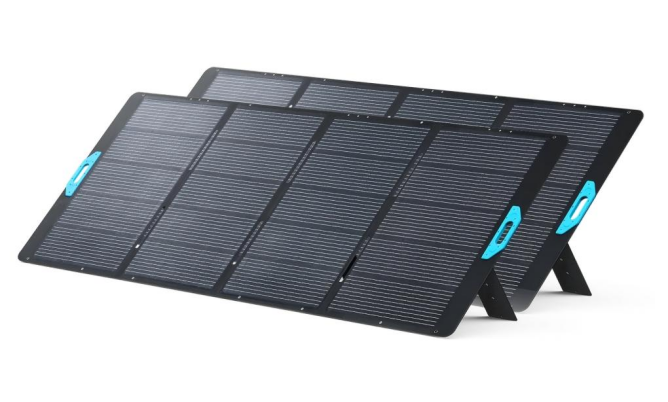
Home solar panels change more than your energy source—they also reshape when your home reaches peak power demand. Because solar output follows daylight cycles, households often adjust usage patterns around the hours when sunlight is strongest. This shift can lower grid reliance, reduce monthly bills, and improve overall system efficiency. Portable options like the Anker SOLIX PS400 Portable Solar Panel provide a practical way for homeowners to observe how sunlight availability alters charging behavior and energy timing. Understanding these effects helps you plan household routines more effectively, especially as solar becomes a larger part of your daily power mix.
How Does Solar Production Shift Peak Demand Timing?
Midday Generation Reduces Afternoon Grid Peaks
Solar panels typically reach their highest output between late morning and early afternoon. During this period, homes with rooftop arrays naturally draw less electricity from the grid. As a result, traditional late-afternoon peaks often appear lower because appliances run partially or fully on solar. When portable panels such as the Anker SOLIX PS400 are used outdoors, you can see this pattern clearly. Its up-to-23% conversion efficiency demonstrates how quickly devices or power stations charge under strong midday light. This midday shift helps flatten peak demand in solar-equipped households, easing both utility strain and personal electricity costs.
Energy-Intensive Tasks Often Move Earlier in the Day
Households tend to schedule high-use tasks—laundry, dishwashing, or electric vehicle charging—earlier once solar becomes available. This habit forms naturally as residents learn to match appliance use with sunlight. By shifting tasks to mid-morning or early afternoon, they maximize free energy and minimize purchased grid electricity. The PS400 supports this behavior because its four adjustable angles (30°, 40°, 50°, and 80°) allow homeowners to optimize solar capture throughout the day. This visual feedback reinforces the idea that timing matters. Over time, the home’s “peak” becomes earlier and more manageable, aligning energy use with abundant supply.
Evening Peaks Still Occur but Change in Size and Shape
Even when solar offsets daytime loads, homes still experience evening surges when lights, cooking appliances, entertainment devices, and HVAC systems operate simultaneously. However, solar-equipped households often use less grid power at this time because daytime solar reduces battery discharge or lowers earlier consumption. This dynamic becomes clearer when pairing rooftop arrays with portable tools. Using something like the PS400 to top up a power station during the day preserves stored energy for evening use. These behaviors reshape evening peaks, making them smaller, shorter, or delayed compared with homes relying solely on the grid. This shift improves cost efficiency and helps predict consumption patterns more accurately.
Interactions Between Solar Panels and Household Energy Behaviors
Homes Become More Aware of Real-Time Energy Availability
Adding solar increases awareness of how much power is available and when it is produced. This awareness influences habits more than most homeowners expect. People tend to check sunlight, production charts, or portable panel output before running multiple appliances at once. Tools like the Anker SOLIX PS400 make this relationship visible because its performance changes immediately with cloud cover and sun angle. This real-time responsiveness encourages households to fine-tune their day-to-day routines. Over time, this awareness reduces waste and improves comfort by aligning electricity use with natural energy cycles, a habit that becomes intuitive with regular solar use.
Routine Planning Adapts to the Daily Sun Path
The sun’s position dictates how much energy the system generates. Families gradually align their household activities with this predictable pattern. Morning dehydration and low solar availability often lead to lighter power use, while the strongest solar window becomes the preferred time for charging, cooking, cooling, or laundry. The PS400’s adjustable-angle design offers an accessible way to follow the sun path, reinforcing how orientation and timing affect output. This habit extends to rooftop installations as well. The result is a household energy profile that tracks sunlight more closely than conventional homes, with smoother peaks and fewer late-day surges.
Solar Influences Perceptions of Sustainable Appliance Choice
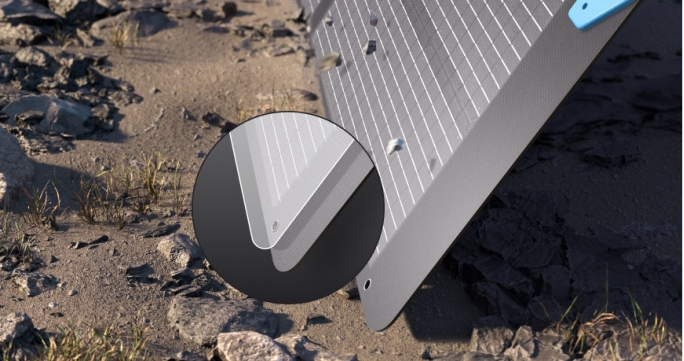
As households respond to solar timing, they often reconsider which appliances best suit their system. Owners may choose efficient washers, inverter air conditioners, or induction cooktops because these devices perform better when powered by solar. Portable solutions like the PS400 support this thinking: when you see how quickly efficient electronics charge under direct sunlight, the appeal of energy-conscious appliances becomes clearer. These behavioral shifts smooth household demand peaks because efficient devices require less instantaneous power. Over time, these choices enhance solar utilization and reduce dependency on evening grid power, helping shape a more predictable energy profile.
Conclusion
Home solar panels influence peak household power timing by reshaping how and when electricity is used. Midday production shifts heavy tasks earlier, evening peaks become smaller, and energy awareness increases as homeowners adapt routines to sunlight patterns. Portable technology like the Anker SOLIX PS400 Portable Solar Panel further highlights these changes by providing real-time feedback on solar behavior. Features such as multiple tilt angles and strong conversion efficiency illustrate how timing affects output, making solar patterns easier to understand. As homes adopt solar, their consumption becomes more deliberate, efficient, and balanced, demonstrating how panels solar home systems reshape daily power timing in practical and meaningful ways.