
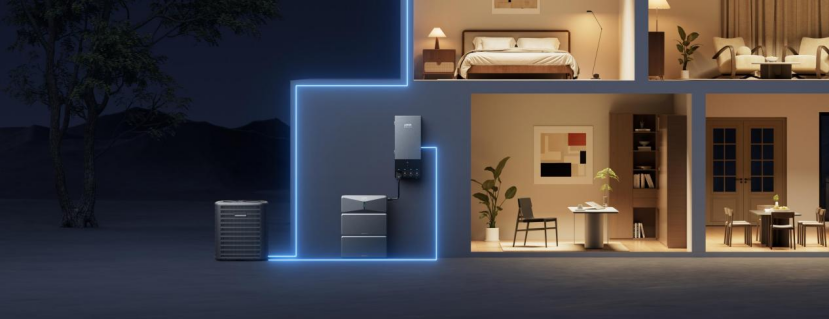
Power outages are becoming more common, and homeowners are increasingly proactive about protecting their homes from unexpected disruptions. When choosing a backup power solution, two options usually rise to the top: traditional generators and whole home battery backup systems. Both can keep essential appliances running, but they differ significantly in how they operate, how they’re installed, and the long-term value they offer. Understanding these differences makes it much easier to decide which solution fits your home and lifestyle.
Generator vs. Whole Home Battery Backup: How to Decide
Choosing between a generator and a whole home battery backup solution depends on your priorities around reliability, convenience, cost, and sustainability.
Power Source and Reliability During Outages
Traditional generators rely on gasoline, propane, or natural gas to produce electricity. As long as fuel is available, they can run continuously. However, fuel shortages during extended outages can become a major limitation. Whole home battery backup systems store energy, often charged by solar panels, and deliver instant power when the grid goes down. Systems like Anker SOLIX whole home solutions can continue operating as long as stored energy or solar input is available, reducing dependence on fuel deliveries.
Noise and Environmental Impact
Generators are known for their noise and exhaust fumes. They must be placed outdoors and require proper ventilation, which can be inconvenient in residential neighborhoods. Whole home battery backup systems operate silently and produce zero emissions. This makes them safer, quieter, and more comfortable for families, especially during long outages when noise and air quality matter most.
Installation and Space Requirements
Generators often require professional installation, fuel line connections, and permanent outdoor placement. This adds complexity and upfront cost. Whole home battery backup systems also require installation, especially when integrated with a transfer switch or smart home power panel, but many modern solutions are designed for plug-and-play or simplified integration. Battery systems are typically installed indoors or in garages, taking up less outdoor space.

Maintenance and Long-Term Upkeep
Fuel-powered generators require regular maintenance, including oil changes, engine checks, and fuel management. Skipping maintenance can lead to failures when you need power most. Battery backup systems have far fewer moving parts and require minimal upkeep. Systems using LFP batteries, such as Anker SOLIX generators, are designed for long lifespans and stable performance with little ongoing maintenance.
Upfront Cost Versus Long-Term Value
Generators usually have a lower upfront price, making them attractive for short-term or emergency-only use. However, fuel costs, maintenance, and repairs add up over time. Whole home battery backup solutions typically cost more initially but offer long-term value through lower operating costs, potential solar charging, and reduced electricity bills. In some regions, battery-based systems may also qualify for clean energy incentives.
Everyday Usability Beyond Emergencies
Generators sit idle until an outage occurs. Whole home battery backup systems can be used daily to store solar energy or shift electricity usage during peak pricing hours. This dual-purpose functionality transforms the system from an emergency tool into an active energy asset. With smart energy management features, homeowners can monitor usage and optimize savings year-round.
Scalability and Future Readiness
Expanding a generator’s capacity often means replacing the unit entirely. Battery backup systems are usually modular, allowing homeowners to add batteries or solar panels as energy needs grow. This flexibility is especially valuable for households planning to add electric vehicles, home offices, or new appliances in the future.
Safety Considerations
Generators involve combustion and fuel storage, which introduce fire and carbon monoxide risks if not handled properly. Battery backup systems eliminate these concerns, making them safer for indoor-adjacent use and family environments.
Conclusion
Choosing between a generator and a whole home battery backup setup comes down to how you value convenience, sustainability, and long-term flexibility. Generators offer dependable power as long as fuel is available, but they come with noise, emissions, and maintenance demands. Whole home battery backup systems deliver quiet, clean, and intelligent power with the added benefit of daily energy optimization. For homeowners seeking a future-ready, low-maintenance solution, battery backup systems are increasingly the smarter choice.