
Introduction
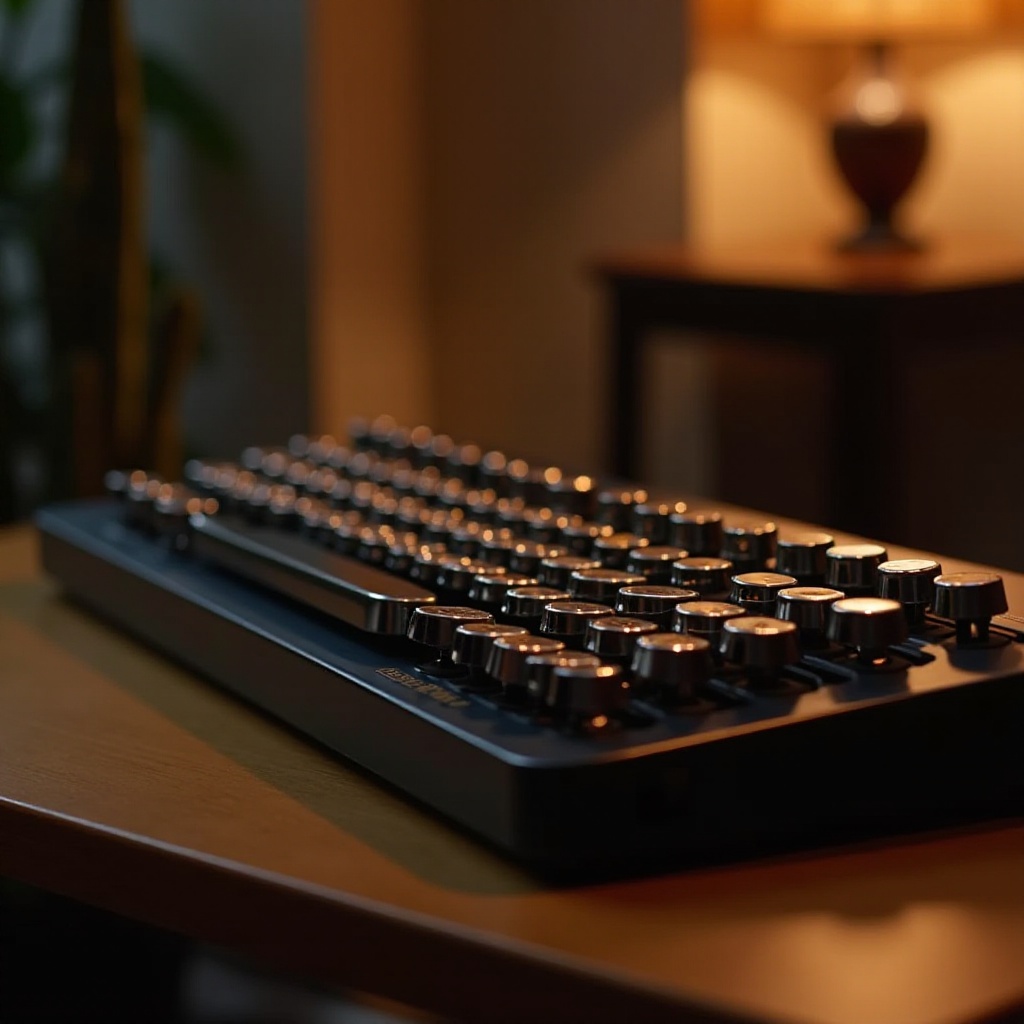
The nostalgic charm of the typewriter is making waves again, found in modern mechanical keyboards that mimic its iconic sound. This fascination isn’t just about looks; the distinctive typewriter sound captivates many keyboard enthusiasts. Some connect with its rhythmic allure, while others are drawn to its fulfilling and auditory experience. In this blog, we will dive into keyboards that replicate typewriter sounds, their benefits, leading models, and tips to pick the perfect one for you.
The Allure of Typewriter Sounds in Modern Keyboards
Modern mechanical keyboards offer both tactile and auditory satisfaction. Their popularity is partly due to the beloved sounds of typewriters. These sounds aren’t merely nostalgic; they form an essential aspect of the typing experience, enhancing focus and enjoyment with each keystroke. As we explore how these keyboards achieve such sounds, we’ll examine the technology and artistry behind these designs.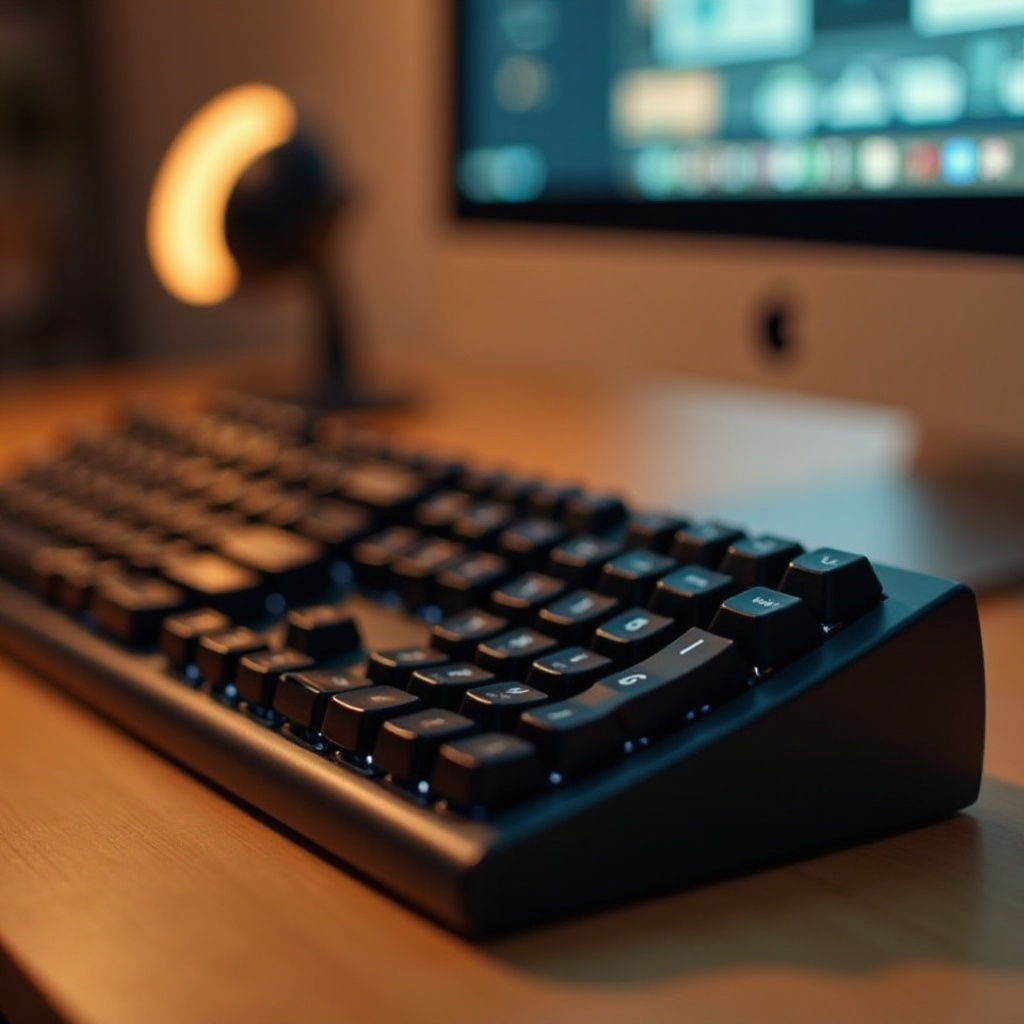
How Modern Keyboards Mimic Typewriter Acoustics
The journey to replicate typewriter acoustics involves both technology and design, key elements which are carefully crafted to deliver an authentic experience.
Key Switch Technologies
The heart of a keyboard’s sound profile lies in its mechanical switches. Renowned for emulating typewriter clicks, Cherry MX Blue and Kailh Box Navy switches offer satisfying tactile bumps. These switches produce the familiar and cherished clicks reminiscent of vintage typewriters.
Design and Build Enhancements
Design and construction are crucial in shaping a keyboard’s sound. Utilizing metal backplates and resonant keycap materials, these keyboards amplify sound acoustics. Manufacturers often incorporate sound chambers, enhancing and projecting the nostalgic sounds that typists love. With an understanding of these components, we can delve into the standout models that provide this enriching sound experience.
Top Keyboards Offering Typewriter-Like Sounds
Several keyboards distinguish themselves with their ability to evoke the classic sounds of typewriters. By balancing modern utility with nostalgic sound, these models have gained a dedicated following.
Model A – Features, Pros, and Cons
Model A merges timeless aesthetics with advanced mechanics, featuring Cherry MX Blue switches for precise and satisfying clicks. Its aluminum frame ensures durability, and configurable RGB lighting adds a modern flair. However, its loudness may pose a challenge in quiet office environments.
Model B – Features, Pros, and Cons
Designed for both sound and style, Model B boasts Kailh Box Navy switches known for their robust clicks. Its ergonomic design supports extended typing sessions. However, it does come with a premium price tag.
Model C – Features, Pros, and Cons
Model C, an affordable alternative, doesn’t sacrifice the typewriter sound experience. Equipped with Gateron Blue switches, it delivers distinct clicks at a budget-friendly price. Despite its plastic build being less durable, it meets sound and usability expectations. Armed with knowledge of these models, we now turn to factors that should guide your choice of the ideal keyboard.
Choosing the Right Typewriter-Sound Keyboard for You
Selecting a keyboard involves balancing personal preferences with practical needs. Here are key considerations for making the right decision:
Factors to Consider
- Switch Type: Consider the sound and typing feel you prefer. Clicky switches like Cherry MX Blues are popular, whereas quieter ones like Browns might be better in shared spaces.
- Build Quality: Factor in materials and durability. Metal frames tend to offer better acoustics and longevity.
- Usage Environment: Loud typewriter-sounding keyboards may not suit all workspaces, so consider your environment.
- Ergonomics: Ensure comfort for long typing sessions, particularly if you work on a keyboard extensively.
Budget and Brand Insights
Mechanical keyboards vary widely in price. High-end models from well-known brands offer additional features, whereas mid-range options still provide significant quality. Review brand reputation and customer feedback to determine reliability and support. Once you’ve narrowed your options based on these criteria, consider ways to enhance your keyboard to personalize your experience further.
Enhancing Your Typewriter Keyboard Experience
Customizing your keyboard not only improves functionality but also increases the joy of its typewriter-like sound. Here’s how you can tailor it:
- Keycap Sets: Change keycaps for different aesthetics and feels. The material and profile can affect both sound and comfort.
- Sound Dampening Mods: If the sound is too strong, dampening rings can moderate the volume while keeping the desirable clickiness.
- Lighting Effects: Personalize backlighting to visually complement your typing experience.
These enhancements ensure your keyboard setup is unique to your preferences, enhancing functionality and style.
Conclusion
The integration of typewriter-like keyboards into contemporary spaces shows their lasting appeal lies in more than nostalgia. With tactile feedback and engaging acoustics, these keyboards enhance the typing experience. By understanding switch types, build quality, and personalization options, you can find a keyboard that meets your practical and aesthetic needs. Dive into the past and enrich your typing journey with a keyboard that sounds like a typewriter.
Frequently Asked Questions
What is the best keyboard switch for typewriter-like sound?
Cherry MX Blue and Kailh Box Navy switches are popular for their clicky sound, closely mimicking typewriter acoustics.
Are typewriter-sound keyboards suitable for gaming?
Yes, many mechanical keyboards with typewriter sounds are suitable for gaming, though preference for switch types can vary.
How can I enhance the sound of my mechanical keyboard to mimic a typewriter?
Consider swapping keycaps and using switches known for clickiness. Adding sound dampeners can also help achieve the desired acoustics.