

Introduction
Where was my iPhone made? This simple question unveils a rich tapestry of global collaboration and engineering excellence. Apple’s smartphones stand as a testament to innovation, and behind every sleek device lies a vast network of design and manufacturing processes that span continents. These processes involve multiple countries, each contributing critical components and expertise, coalescing into a product that offers seamless functionality. In this article, we’ll explore the fascinating journey of an iPhone, from its inception as a concept to its assembly into the device cherished by millions.
The Vision Begins: Apple’s Design and Concept
The journey of every iPhone starts from Apple’s headquarters in Cupertino, California, where its design team breathes life into the next groundbreaking model. This dynamic team focuses on enhancing user experience while developing innovative features and maintaining the device’s aesthetic appeal. Apple’s research and development are crucial in these stages, pushing the envelope to integrate cutting-edge technology and fortifying the brand’s premium standing. Here, the fusion of hardware and software is meticulously planned, laying the foundation for global production that follows. As we transition into the manufacturing phase, this foundational work remains central to the iPhone’s identity.
The Heart of Manufacturing: Major Assembly Hubs
Once Apple’s vision is crystallized into a tangible design, the iPhone’s journey shifts to sprawling manufacturing hubs around the world.
China’s Dominance in iPhone Production
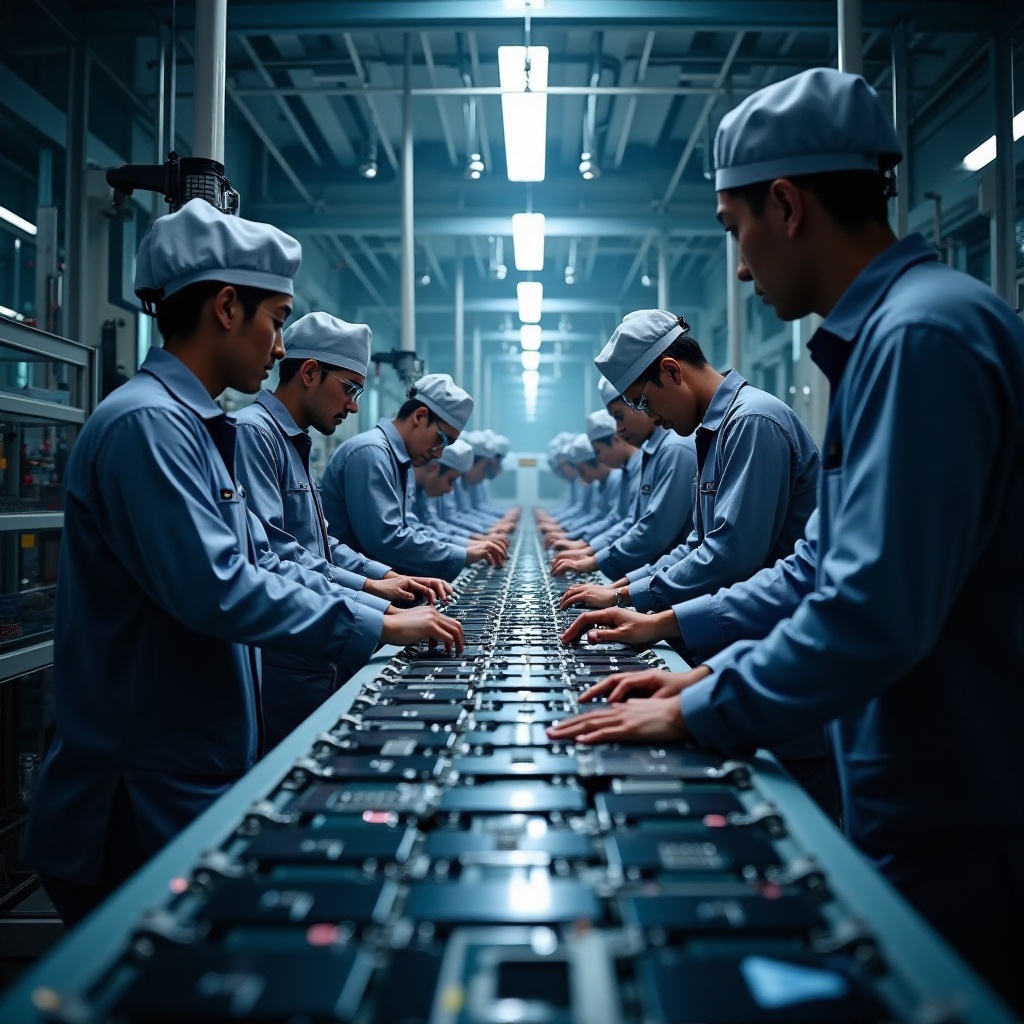
China emerges as the dominant force in iPhone assembly, home to vast factories tailored to meet global demands. The country’s expansive industrial infrastructure and skilled labor force play pivotal roles in this capability.
Foxconn’s Role in Assembly
As Apple’s primary assembly ally, Foxconn, the Taiwan-based multinational corporation, commands a lion’s share of the production through its large facilities predominantly stationed in Zhengzhou, China. Dubbed “iPhone City,” these factories are critical in Apple’s worldwide distribution strategy.
Pegatron and Other Key Players
Alongside Foxconn, Pegatron contributes significantly to iPhone assembly through its multitude of production facilities. Together, these entities ensure the seamless and timely assembly of iPhones, adhering to the high standards intrinsic to Apple products.
These assembly hubs demonstrate Apple’s extraordinary logistical prowess and set the stage as we delve into the suppliers who contribute critical components.
Suppliers Across Continents: Key Components and Materials
The superiority of an iPhone is not merely in its design but also in the components, sourced from specialized suppliers worldwide.
Chip Manufacturing in South Korea
Leading South Korean tech firms like Samsung and SK Hynix provide the memory chips crucial for iPhones, ensuring the brand’s promise of superior performance.
Display Panels and Electronics from Japan
Japan, with its advanced electronics sector, offers cutting-edge display panels from companies like Japan Display Inc. and Sharp, which are integral to the iPhone’s responsive interface and sharp visuals.
Specialized Parts from Taiwan
From Taiwan come specialized components like printed circuit boards and other electronic modules, essential for the iPhone’s operational reliability.
These global suppliers form a sophisticated network that eventually converges in the meticulous assembly process.
The Final Touch: Assembly and Quality Control
At this stage, the iPhone enters its final assembly where precision is paramount. Skilled technicians bring together each component meticulously, conducting rigorous quality checks to ensure that every device released stands up to Apple’s stringent standards. Defective units are systematically removed from circulation, guaranteeing that only exceptional products reach consumers’ hands. This relentless dedication to quality control is a testament to Apple’s commitment to excellence.
The Economic and Social Impact of iPhone Production
The global production of iPhones is a significant driver of economic and social change. The assembly processes and component sourcing provide employment and boost local economies across various countries. In China, for instance, the opportunities afforded by manufacturing bring substantial economic benefits despite also raising questions about labor practices and sustainability. On the broader economic plane, Apple’s success with the iPhone greatly boosts its profitability, influencing trends across the global tech industry. Understanding these impacts provides a comprehensive view of the changing landscape of global manufacturing as we move into future prospects.
Future Trends in iPhone Manufacturing
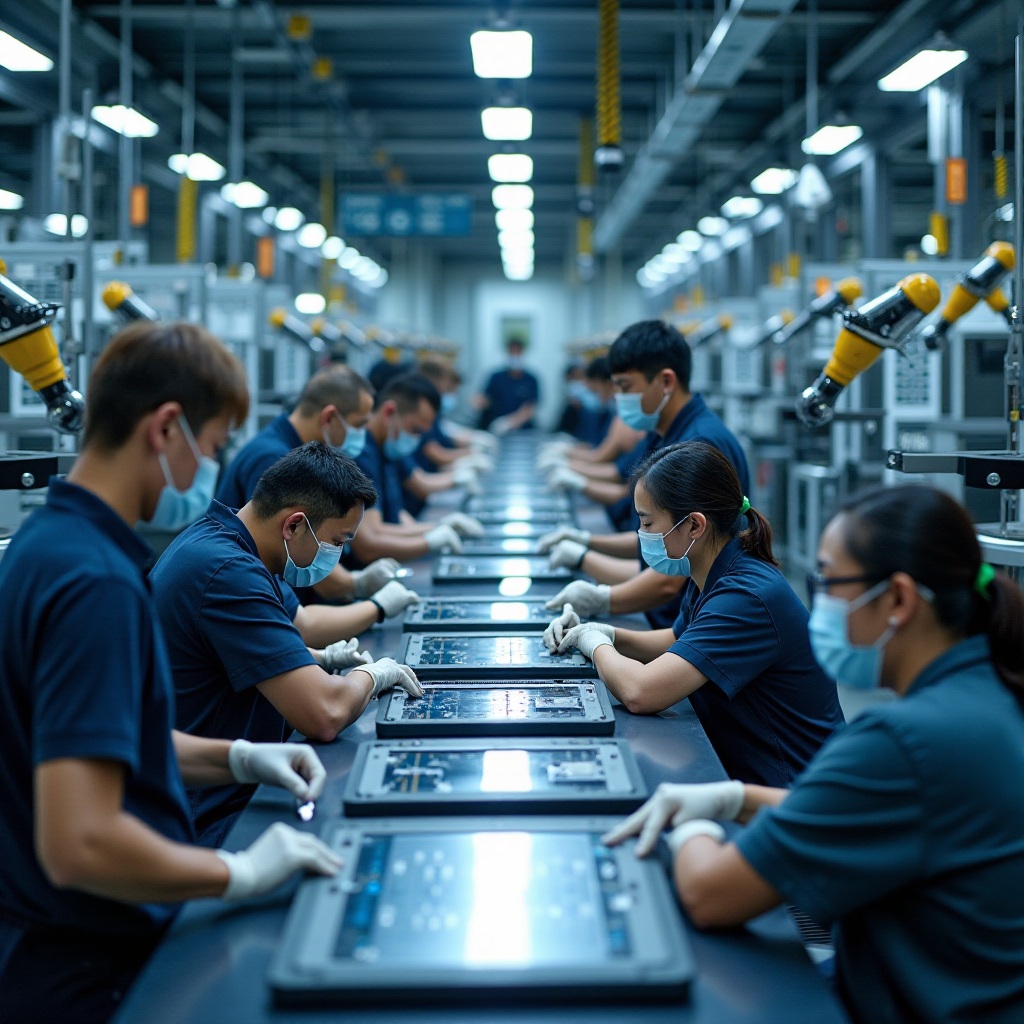
The future of iPhone production is inextricably linked with innovation. Apple continually seeks ways to enhance manufacturing efficiency and sustainability. Automation and robotics increasingly play a role in reducing reliance on human labor, while eco-friendly initiatives aim to cut carbon footprints and promote recycling. These evolving practices ensure that Apple not only maintains its meticulous standards but also pioneers in manufacturing excellence.
Conclusion
The iPhone’s journey from concept to consumer is a paragon of global collaboration and technological innovation. Involving diverse nations and industries, the process culminates in a device beloved by millions. As technology and production techniques advance, Apple will continue refining its strategies to navigate and address new challenges and opportunities. This perpetual evolution is what keeps iPhone at the forefront of innovation.
Frequently Asked Questions
Where are most iPhones assembled?
Most iPhones are assembled in China, with major facilities operated by manufacturers like Foxconn and Pegatron playing crucial roles in the process.
Are all components of the iPhone made in China?
No, while assembly largely happens in China, components come from various countries, including South Korea, Japan, and Taiwan.
How does Apple ensure the quality of its iPhones?
Apple employs stringent quality control measures throughout the assembly process, conducting rigorous testing and inspections to uphold quality standards.