
Introduction
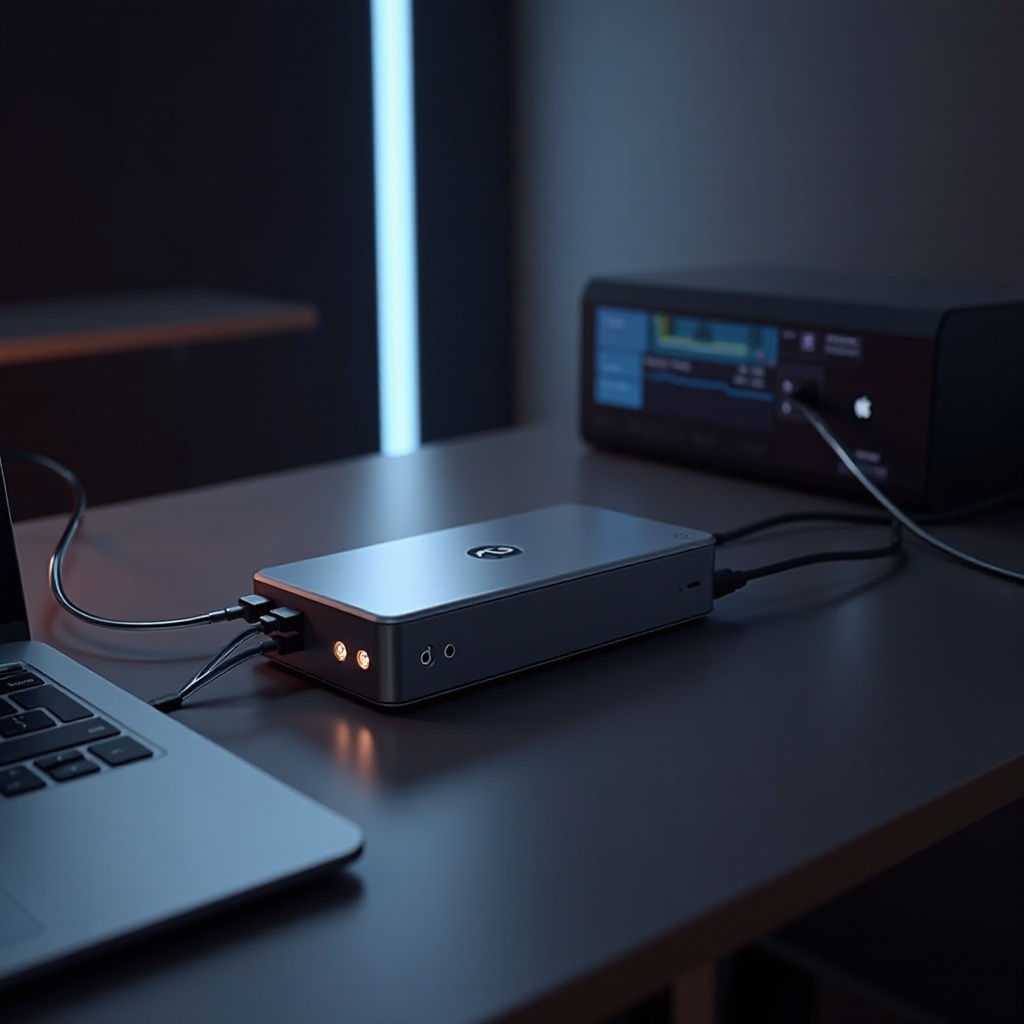
External GPUs, or eGPUs, provide an incredible solution for boosting laptop graphics performance. They allow laptops to access external high-end graphics cards, elevating capabilities to meet demands of gaming, video editing, and complex applications. In this guide, we will explore the nature of eGPUs, why they are crucial for maximizing laptop performance, and guide you in selecting the best eGPU suited for your needs.
Understanding eGPUs
An eGPU, short for external GPU, connects to your laptop, enabling it to leverage the power of external graphics cards, much like those used in desktop computers. This connection usually requires a Thunderbolt 3 or 4 port for optimal data transfer speeds. With an eGPU, intensive tasks like 3D rendering, graphic design, and gaming become feasible on laptops that otherwise couldn’t handle such workload.
While eGPUs can transform your laptop into a high-performing machine, it’s crucial to ensure compatibility and performance alignment with your specific use case. Once you understand the potential of eGPUs, it’s essential to explore why they are worth integrating into your computing setup.
Why Use an eGPU with Your Laptop?
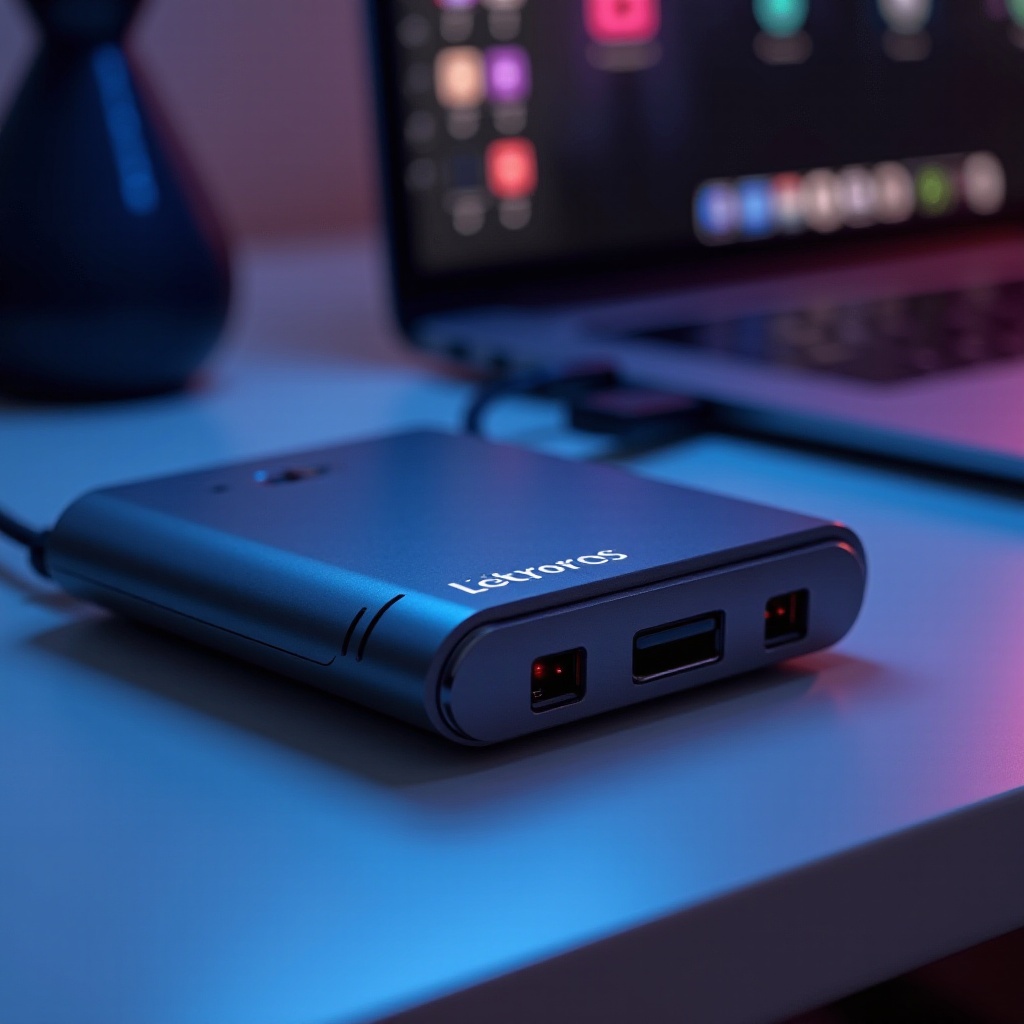
Using an eGPU enhances your laptop’s performance by offloading heavy graphical processing to a more powerful external GPU. This setup is invaluable for gamers seeking high-resolution graphics and professionals looking for quicker rendering times or advanced multitasking capabilities. The boost in graphical processing power allows smoother visuals and faster computing speed, making applications once deemed impossible on laptops easily manageable.
Moreover, the use of eGPUs adds unprecedented versatility to laptop setups. Not only do these devices permit superior gaming experiences, but they also allow for seamless transitions from mobile workstations to high-powered desktops when docked with an eGPU. To choose the right eGPU, understanding key features is fundamental.
Key Features to Consider When Choosing an eGPU
-
Compatibility: Ensure your laptop supports Thunderbolt 3 or 4 connections, which are pivotal for connectivity and performance.
-
Performance Needs: Assess if your primary focus is gaming, professional work, or both. Gamers will prioritize high frame rates, whereas professionals might value processing power and application efficiency.
-
Connectivity Options and Power Supply: Look for eGPUs offering multiple ports such as USB-C and adequate power delivery to support your laptop’s and eGPU’s power requirements.
Considering these features aligns the selection of an eGPU with your laptop’s specifications and your specific needs. Let’s examine the top eGPU models to consider in 2024 for a transformed computing experience.
Top 5 eGPU Models for Laptops in 2024
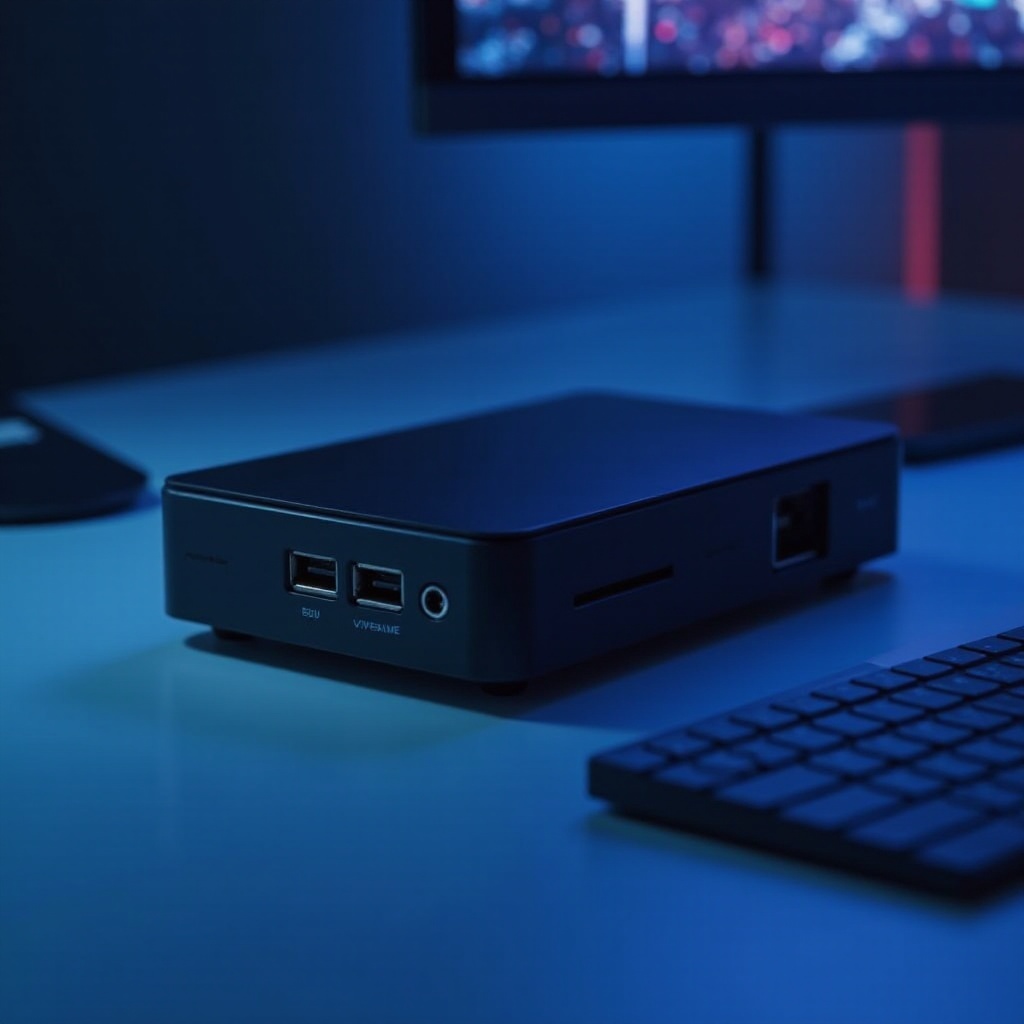
- Model 1: Features a robust build capable of supporting high-end graphics cards. Efficient and powerful for demanding applications but comes with a higher price tag.
- Model 2: Offers a compact design and Thunderbolt 3 support. It’s affordable, making it ideal for beginners, though it provides limited port options.
- Model 3: Comes with an integrated cooling system and VR-ready capabilities. Advanced in cooling and supports a wide range of cards, yet its design is more substantial.
- Model 4: Notable for cross-platform compatibility and high power output, this model is versatile and suitable for professional requirements despite producing moderate noise.
- Model 5: Known for its future-proof design and ease of component upgrades. Though initially expensive, it promises longevity and scalability.
After selecting the right eGPU model, proper setup ensures optimal performance.
How to Set Up Your eGPU
To set up your eGPU, follow these steps:
- Connect the eGPU to your laptop using a Thunderbolt 3 or 4 cable.
- Install the necessary drivers from the eGPU manufacturer’s website.
- Restart your laptop and ensure the eGPU is recognized in your system settings.
Should you face connectivity issues, check your cabling, update your drivers, and confirm your eGPU receives adequate power. Successful setup maximizes your eGPU’s performance potential.
Maximizing eGPU Performance
Maintain your eGPU’s performance with the following tips:
- Regularly update your graphics drivers to stay compatible with the latest software.
- Use settings and configurations tailored to enhance graphics performance for each specific application.
- Ensure adequate ventilation and cooling to prevent overheating and maintain stability.
These practices will help extend your eGPU’s longevity and efficiency, securing your investment over the long term.
Conclusion
Integrating an eGPU into your laptop setup significantly enhances graphics capability, bridging the gap between portability and desktop-level performance. By carefully evaluating compatibility, performance needs, and connectivity options, you can select the best eGPU suited for your laptop, maximizing both productivity and entertainment experiences.
Frequently Asked Questions
What are the system requirements for using an eGPU?
Your laptop needs a Thunderbolt 3 or 4 port, compatible drivers, and an OS capable of supporting external GPUs.
Can every laptop utilize an eGPU?
Not all laptops can support eGPUs. You must verify that your laptop has the necessary ports and compatibility.
Is investing in an eGPU worth it for non-gamers?
Yes, non-gamers can benefit from the increased processing power for intensive tasks such as video editing and running demanding applications.